
Why Your Techniques Don't Work (And the Rules That Fix Them)
Most wrestlers I work with don’t struggle because they forgot the steps to a technique.
They struggle because they don’t understand the small positional rules that make those steps work.
Fix the rule, and every technique in that position improves. You’re not adding moves. You’re tightening the ideas your moves depend on.
Here are six positional rules I wish I understood earlier. They apply to anyone past the true beginner stage.
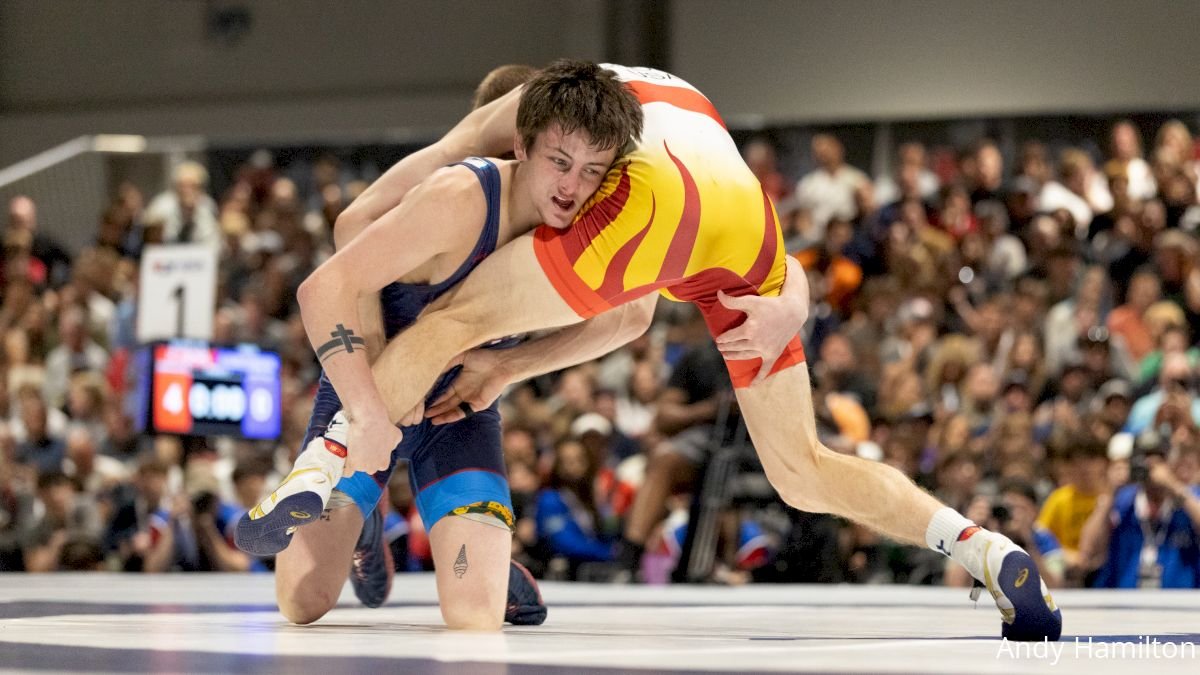
1. Collar Ties: Shrug Before You Clear
Athletes get stuck in collar ties all the time. Opponent squeezing, stalling, slowing you down.
The usual fix is to find another clearing technique. More steps. More patterns.
That’s not the problem.
The problem is the grip is already locked in before you try to clear it.
Here’s what works: shrug your shoulders before you clear.
Shrugging makes your neck smaller. It weakens their grip before it tightens. Notice which arm they like to collar tie with and shrug that shoulder in anticipation for it.
Watch how Tanner Sloan actively shrug his shoulder right before he passes the elbow
Now rolling inside, elbow passes, and Russian ties all work better. Not because you learned a new technique. Because you weakened their position first.
I’ve watched wrestlers who spent years frustrated with their opponents grips immediately feel their clears get easier. Their matches open up. They can reengage to their preferred ties and attacks.
Don’t just teach the technique. Teach what weakens the tie first.
2. Handfighting: Earn the Right to Pressure
Athletes pressure forward without inside position and get snapped down. With force.
Pressure without structure is an invitation to get your head smashed to the mat.
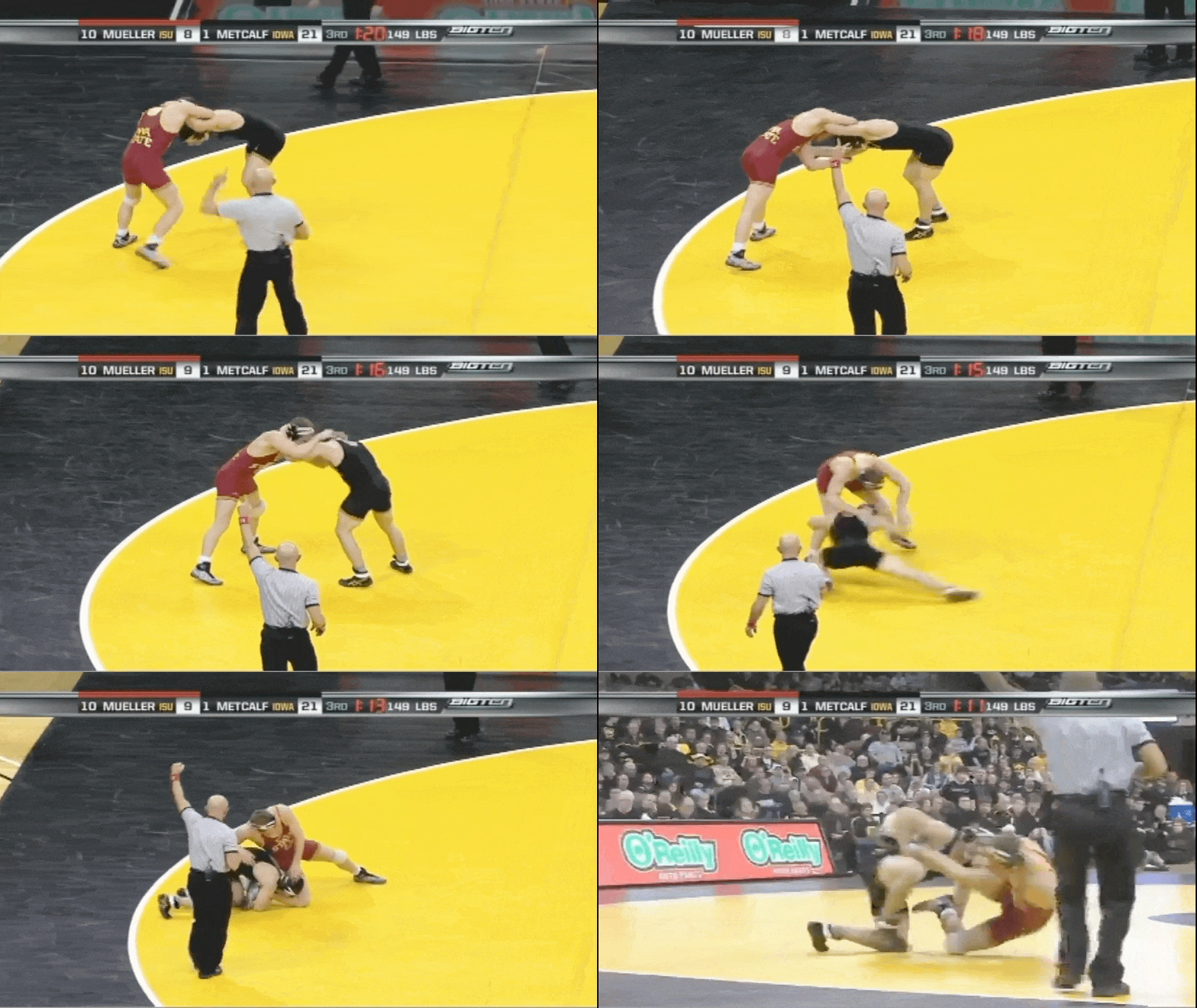
Here’s the rule: keep your head in the pocket (forehead in the neck between the jaw and the trap) with hands inside and your elbows tight. Don’t drive forward until you have that.
If you press without structure, your legs will be attacked.
If you press with structure, they must react by pushing back or fighting with their hands. That reaction creates the shot, snap, or just a mistake from your opponent.
Outside tie attacks are the exception, more on that next.
Watch Brent Metcalf win inside position on the edge and force reactions that lead to a nice leg attack.
3. Ties: Elbows Decide Who Owns the Tie
I had a kid last year who won inside position with his hands and got his head in the pocket consistently. He was a good handfighter. He knew what he wanted. He followed rule 2 and thought he was safe.
He’d get the ties he wanted then try to pressure and get ducked or slid by. Hard. Over and over.
He couldn’t figure out why it was happening. He had inside position, why was he being scored on so easily?
The problem wasn’t his head position or his tie. It was his elbows.
Here’s what most people miss: you can win the tie and still lose the position.
If your elbows drift away from your body and your opponent’s stay tight, it’s not your tie anymore. Your underhook becomes their overhook, your collar tie becomes their elbow tie, and then ‘your’ tie becomes their attack.
This applies to everything. Collar ties, underhooks, Russians, wrist control. Doesn’t matter. If your elbows are loose and theirs are tight, they own it.
The rule is simple: keep your elbows closer to your hips than your opponent keeps theirs. That’s it.
Once this kid understood that, the ducks stopped and he could pressure freely. Not because he added a new technique, because he stopped giving away the position he’d already won.
Watch Kaid Brock, one of the kings of elbow attacks take advantage of his opponent’s drifting elbow to hit his slideby.
Ties aren’t static. You don’t just get them and hold them. You have to maintain structure or they collapse.
If you lose the elbow distance battle, you immediately feel vulnerable to attacks. You feel it instantly.
4. Arm Drags: Chest to Back or It’s Not a Drag
Athletes try to drag, go deltoid to deltoid, and spin in circles or worse, they get redragged.
They think a tight grip on the arm is the point. It’s not.
Your goal is chest to their shoulder blade.
The Russians really understand this. Watch the way Magomedov chases the shoulder blade with his chest and how it leads to immediate takedowns.
If you don’t get around the corner and connect chest to back, the drag isn’t finished. The moment chest connects to back, the fight changes. You’re in rear standing. You can still lose that position, but the drag did its job.
Drags become immediately more effective. The redrag gets nullified. You get more real back exposure and leg attacks even if you don’t finish rear standing.
5. Single Leg Finishes on the Mat: Shoulder Behind the Hamstring
Athletes run the corner on their single and get whizzered hard. Sometimes traditional, sometimes the dreaded shin whizzer.
They’re chasing the angle and ignoring shoulder position. Running the corner isn’t about angle. It’s about killing the whizzer.
Here’s the rule: trace your shoulder along their thigh to the back of their hamstring.
If your shoulder stays glued behind the hamstring, the whizzer has no strength.
Watch here the way Burroughs’ opponents whizzer immediately melts the moment his shoulder gets to his hamstring and he can easily transition to better finishing position.
If your shoulder drifts in front of the thigh, the whizzer will retain its strength and stop your finish.
When you weaken the whizzer, your finish is there right away because their ability to put weight on you disappears. Finish rates improve rapidly.
Just running the corner and getting an angle doesn’t finish singles. Shoulder position does.
6. Downblocking: Fists to the Mat
Athletes sprawl and try to push on shoulders to defend shots.
Here’s the problem: They miss the shoulders and their hands slide over the back and their opponent is deep on their legs.
They’re trying to block the person, not the path.
Here’s what works: meet them where they want to go. Get your arms to the mat right in front of where your legs were.
Watch Parco immediately stop his opponents shot by keeping his hands low and strong, there’s no reaching and he can immediately transition to counter offense.
These straight, strong arms are your shields. They stop your opponent from getting a lock on your leg.
Offense stops getting in deep on your legs. You stop shots before they become problems.
The Bigger Point
These aren’t just tips. They’re examples of something deeper.
Every technique you’ve ever learned depends on a small positional rule like this. Most people skip that part.
They memorize steps. They collect moves. Then they wonder why nothing works when the position changes even a little.
Find the rule the technique depends on, then figure out how to accomplish it. Once you see the rule, you stop forcing yourself into bad positions or needing things to be perfect. You just have a task you need to accomplish.
You start recognizing what’s happening in real time. That’s when wrestling gets easier.
Not because you learned more moves, but because you started seeing what makes the moves work.
Most people are learning techniques. Good wrestlers are learning the rules underneath them.
That’s the difference.