Why Recruiting Broke Me (And the System That Made It Fun Again)
How I Get Kids Interested in Wrestling
I work for Beat the Streets Chicago, the largest wrestling club in the world. We’ll serve 2500 kids this year and we’re always trying to grow.
That means we need to recruit.
I used to be a college coach. I’ve written about how recruiting broke me and made me quit that job. But I recruit now and it’s one of my favorite things.
The difference? Demo days.
I go to local Chicago elementary schools, take over their PE class, and lead anywhere from 25 to 100 kids through a practice. Kindergarten to 8th grade. Underfunded CPS schools to the nicest private schools in the city. It’s been successful and, honestly, fun.
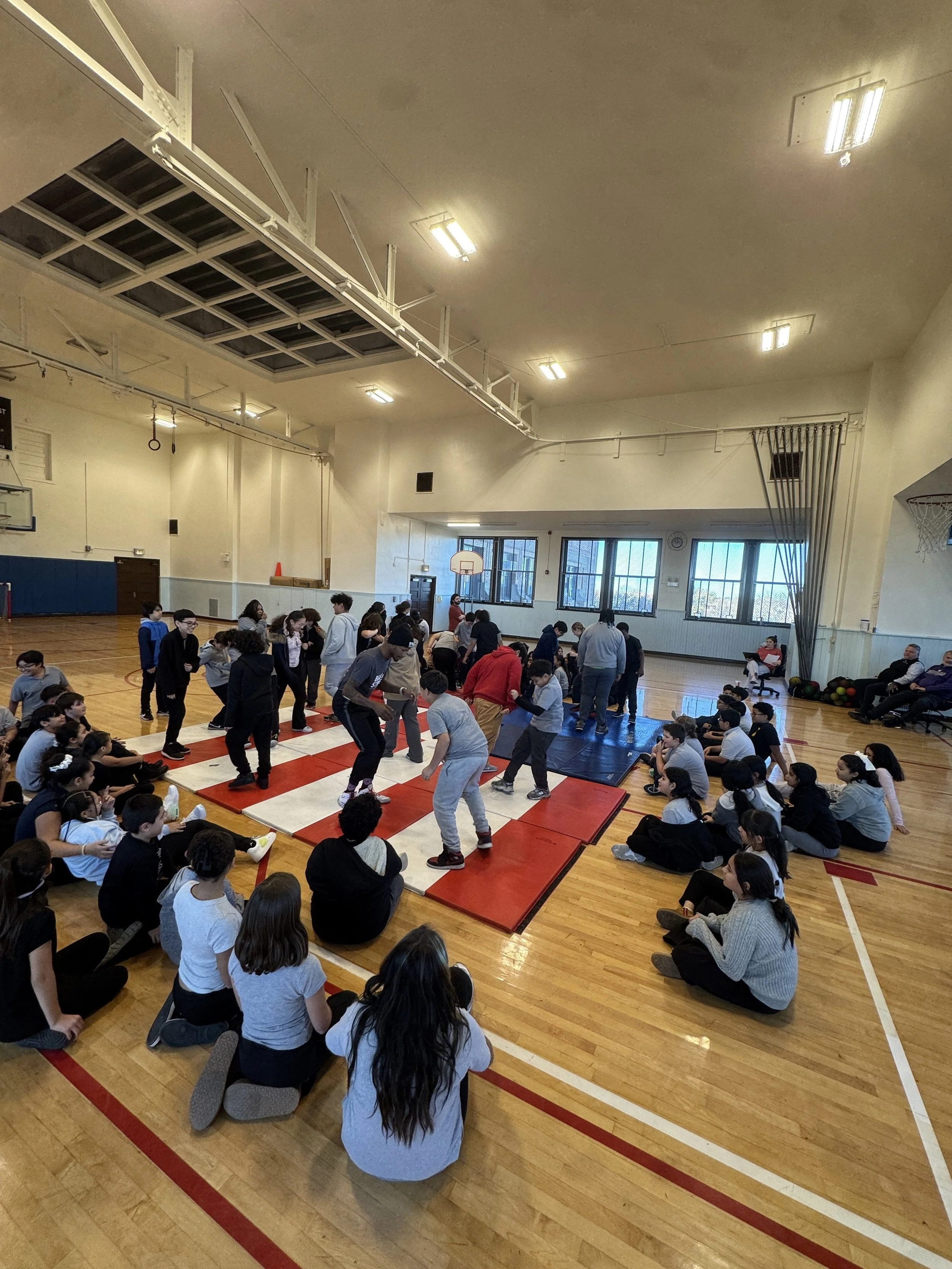
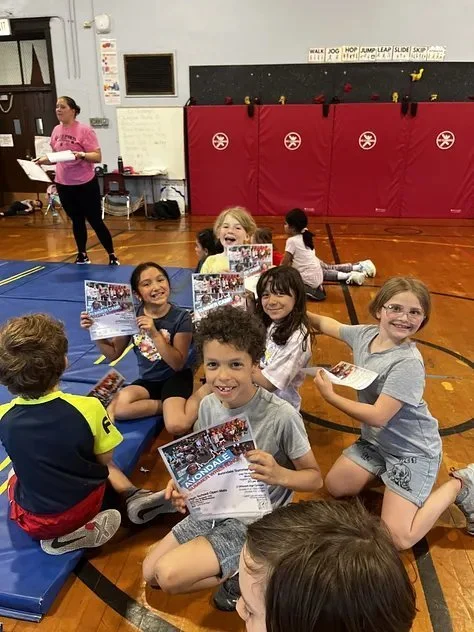
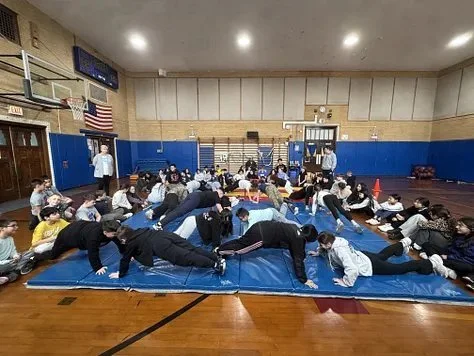
This framework works for any sport that isn’t mainstream. BJJ, wrestling, rugby, fencing, table tennis doesn’t matter. The sport changes, the principles don’t.
I’ll show you my framework.
How This Applies to You
Club coaches: Follow this as written. This is built for you.
Non wrestling coaches: The framework works the same. Just swap wrestling for your sport.
High school coaches: Your program is only as good as the youth program feeding it. You don't have to run demos yourself, but taking an active interest is meaningful. The high school head coach is revered in most communities. Showing face at youth practices, helping with recruiting, or even just being present at a demo day goes a long way. You can also just pass this article along to your youth coaches and let them run with it.
Parents and volunteers: Your biggest value is the warm intro. A parent who can connect a coach directly to a school admin is worth more than any cold email. Use your relationships.
If you’re in a rural or small area: You have fewer schools to work with but easier access. Just don’t mess it up. If you turn off one school, that might be a quarter of your base.
Getting In the Door
Start with PE teachers if you can find their emails. Then assistant principals and principals.
Better yet, if you have a kid in your club, ask their parents to make a direct connection to someone at the school. Ideally via text. A warm intro beats a cold email every time.
Don’t stop at schools. Reach out to local football teams. The seasons mix well and football kids are ripe for wrestling. Build a real connection with those coaches.
Also reach out to local jiu jitsu schools, especially the competitive ones. The instructors usually idolize wrestling and are happy when their kids learn it too.
Follow up at least three times before you quit. People aren’t offended. Things slip through the cracks. Your persistence shows dedication and they respect that.
Before the Demo Day
Checklist:
Confirm date and time
Confirm age group
Confirm number of kids
Confirm number and size of mats (try to get at least 40 gymnastics mat rectangles so you can fit 80 kids at once)
Make calendar invite for yourself and their admin
Print flyers
Ask your contact’s t-shirt size
Bring t-shirt as a thank you
Bring a whistle (a loud one, you’ll need it)
The Demo Day Practice
One hour is ideal, but even 30 minutes works. Same format, just cut the times in half.
The Goal
Two things: have fun and show interest.
That’s it. You’re not trying to teach wrestling. You’re trying to make kids think wrestling is awesome.
The Story You’re Telling
Wrestling is fun. It’s for everyone.
The Structure
1. Talk: Why Wrestling is Cool (5-10 minutes max)
Keep this short. Kids are here to move, not listen.
Hit these points:
Wrestling is good for everyone. Physical: strength, balance, coordination. Mental: toughness that transfers to everything, academics, sports, social situations.
Wrestling is fair. “Who’s ever played a team sport and lost because of a teammate? Me too. Wrestling stops that.” One on one, weight class, age group. No excuses.
It’s for everyone. Boys, girls, big, small, skinny, short. Women’s wrestling is the fastest growing sport in the world. No matter your size, shape, speed, or intelligence, you can use your attributes to your advantage.
Anthony Robles, an amputee, was the best college wrestler in the United States. Wrestling is the only sport where that’s possible.
2. Games (25-30 minutes)
Split into multiple groups. Run 45-second goes for 2 groups, 30-second goes for 4 groups.
Games that have worked for me:
Toe tag (stomp on their toe, score a point)
Knee tag (touch their knee, score a point)
Heel tag (touch their heel, score a point)
Pushup fights (both kids head to head in pushup position, pull at arms to make them fall)
Double unders (lock your hands with double unders, score a point)
Find a partner. Play 4-5 games. Keep it moving.
3. Demo Advanced Moves (10 minutes)
Use a volunteer to throw around. Make the kids excited.
Show what a takedown is. Get on your knees behind them. “This is a demonstration of control. If we were in a fight, he would be unable to hurt me from here.”
Frame it like this: “Wrestling is like an RPG video game where you get to pick your skills and level them up.” Then explain the moves as options they get to choose based on what they like and who they are.
Lower body attacks for kids who are fast and explosive:
Single leg to big backtrip,
Double leg (make sure to lift the kid off their feet)
Upper body attacks for kids who are strong but slower:
Headlock
Lateral drop
4. Teach One Basic Technique (10 minutes)
If I have time and a good group, I teach a quick standing blast double. Keep the steps simple and call each one out:
Step 1: Step between the legs
Step 2: Forehead on the chest
Step 3: Hands behind the knees
Step 4: Push with your head, pull with your arms
Let them try it a few times. Don’t over-coach. Keep it fun.
5. Close: Talk About Your Program (5 minutes)
Cover what you offer: upcoming season, pricing, transportation if available, quality of coaching. Explain why they should be interested, make them know that the fun they had today is only the beginning.
After the Demo Day
Send a thank you email.
Attach the flyer again.
Ask if they can put it in the school newsletter.
Ask the teacher to send an email to every parent of the kids that attended
See if you can host an in-person or virtual parent Q&A. Kids come back from school excited, parents are confused and have questions. Be a face they can ask about injuries, if girls can wrestle, skin infections, singlets, etc.
Track everything: number of kids at the demo, number who registered from that school, dates you reached out and visited, notes. This data tells you what’s working.
Do it every year. Build the relationship. The second visit is easier than the first. The third is easier than the second.
Do’s and Don’ts
Do:
Text or call instead of email when possible
Document everything and track your stats
Keep the practice fun. You’re not emphasizing how hard the sport is.
Play games. Demonstrate exciting things.
Reach out to sports teams, not just schools. Athletic kids often become your best wrestlers.
Don’t:
Yap. They’re here to move and have fun, not hear you talk.
Be bossy about how games should be played. This is about fun, not perfection. You want them to leave thinking “wrestling is awesome” even if they barely did anything that looks like wrestling.
Let anyone get hurt. If someone does, the school will never let you back in.
This system works. I’ve done it dozens of times across every type of school in Chicago.
The key is simple: make it easy for schools to say yes, make it fun for kids to try, and follow up so families actually sign up.
Wrestling sells itself once kids get on the mat. Your job is just to get them there.