The Problem With Situational Live Isn’t Effort. It’s Design.
After I shared my last article about using games to teach technique, a familiar response showed up almost immediately.
“So it’s just situational live?”
I get why that question comes up. But no. And the difference matters.
What Situational Live Actually Is
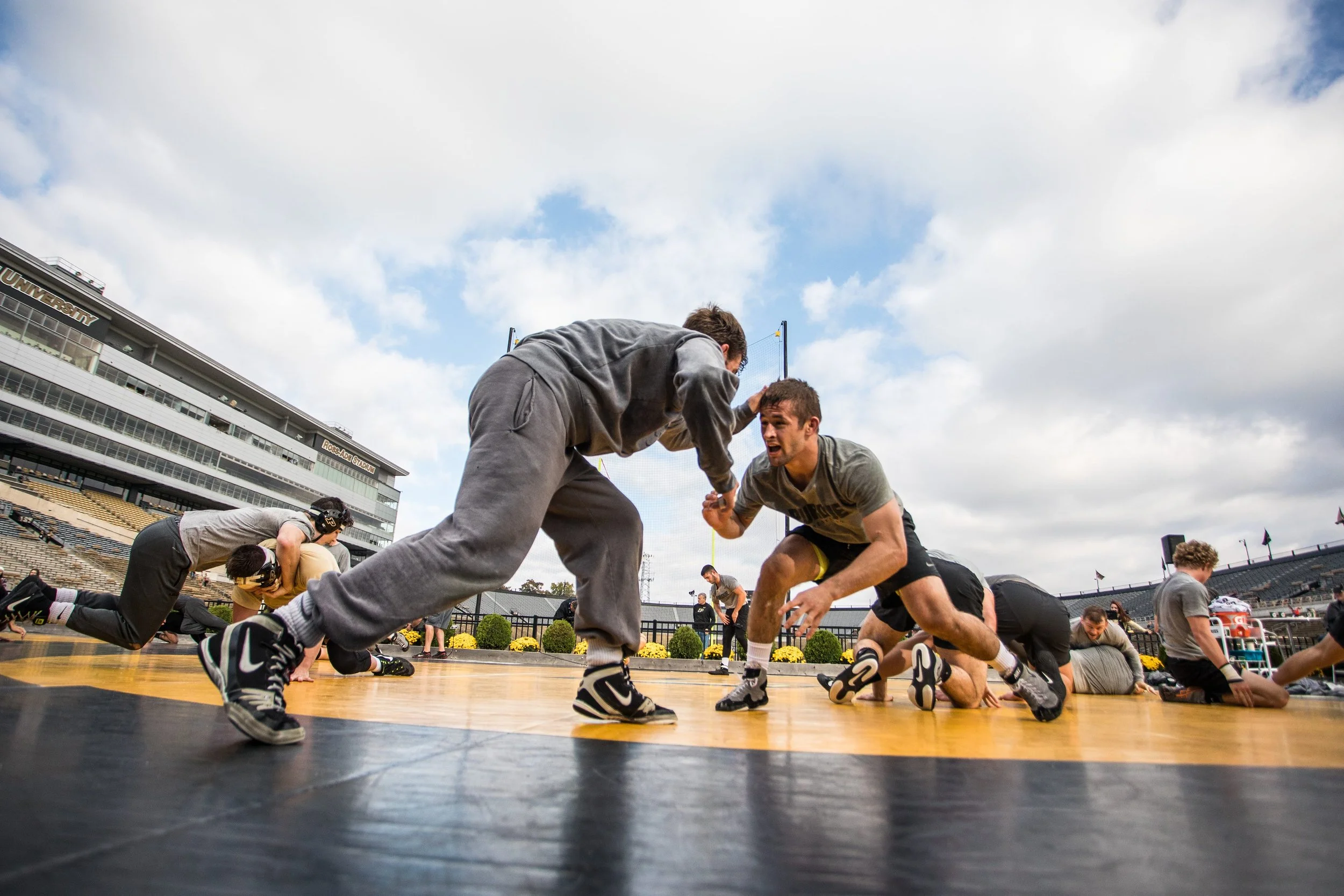
Traditionally, situational live looks like this: You start in a position. The coach says go. You wrestle live for 20–30 seconds.
That format has value. I use it. It’s a step up from drilling.
But it isn’t a task based game.
The issue isn’t effort or intensity. It’s how the reps are structured.
In a short situational go that starts in a position, you’re often in that position for less than half the time. The position dissolves, the wrestlers scramble, and the learning target fades into the background. That time isn’t wasted, but it isn’t focused.
Where Games Are Different
The key difference isn’t “games vs live.” It’s win conditions.
In situational live, the position can disappear and the go continues. In a constraint-led game, the rep ends when the task is completed or escaped.
That changes everything.
Instead of hoping the position reappears, you guarantee that every rep is about the same problem. When it’s resolved, you reset and go again. One 30-second situational go can turn into multiple high-quality reps in the exact position you care about.
More decisions.
More feedback.
Less standing around.
A Standing Single Example
Here’s a simple example we ran recently using a standing single offense and defense.
I kept this one tight on purpose. Clear start, clear win. You can design games with way more freedom, but when you're teaching younger kids a specific position, tighter constraints work better.
Starting Position:
Offense: Standing single leg
Defense: Defensive standing single, whizzer in, leg between offense’s legs
Win Condition
Offense: Stay on your feet and finish - either get to treetop or put them on their hip
Defense: Deny good scoring positions - drag them down to knees, hips, or back down, escape the lock, or score your own takedown
The rep ended when any one of those things happened.
What followed didn’t require much coaching.
Offensive wrestlers figured out quickly that head position mattered if they wanted to stay up. They learned how to deal with a heavy whizzer by running the pipe, and how/when to get to the treetop single position.
Defensive wrestlers learned how to control the head, create downward pressure, and drag the position where they wanted it. They found ways to break the lock while standing or even kick out and escape the position entirely.
In a five-minute game, kids got close to twenty competitive reps in the same position.
Coaches didn’t micromanage, but they didn’t disappear either. They observed who was stuck and who was cruising. If the rep became too easy for one side, the game was adjusted by tweaking variables like starting position, grips, or constraints added or removed.
We coached by tweaking the game, not stopping every 10 seconds to explain.
The feedback was built into the task. If something didn’t work, wrestlers felt it immediately and adjusted.
Nothing was fake. Everything transferred.
Repetition Without Repetition
Here’s where this gets better.
Once the task was clear, we didn’t change the goal.
We changed the look of the position.
Same problem. Slightly different constraints.
We ran the same game with:
The offense forced to start with their head down
The defense starting without a whizzer
The defense placing their foot outside the offense’s leg instead of between
The win conditions stayed exactly the same.
What changed was how wrestlers had to solve the problem.
Kids figured out different solutions for each variation. They were learning to adjust without realizing it. Same game, different looks. They got smarter without knowing it happened.
The reps feel different.
The learning stacks.
That’s how adaptability gets built without turning practice into chaos.
The Real Takeaway
The point isn’t the standing single.
The point is this: If you want more learning in a specific position, you don’t need longer goes or more cues. You need win conditions that end the rep.
Situational live says, “Start here and wrestle.” Constraint-led games say, “Solve this problem, repeatedly, against resistance.”
Same effort. Same intensity. Very different outcomes.
That’s practice design, not just situational live.
If you enjoyed this, subscribe to get these articles right to your email inbox.